ART PRINT
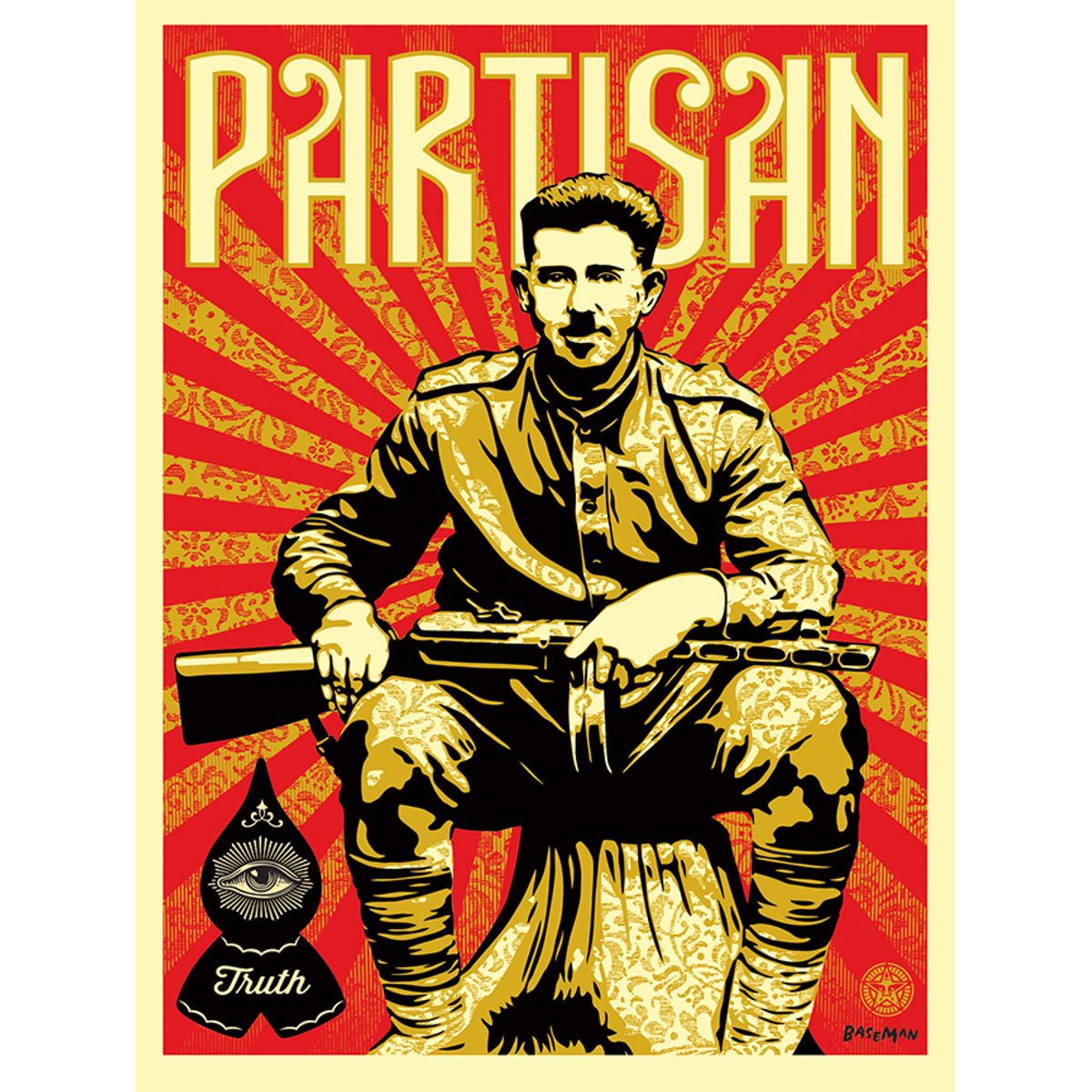
Partisan


Item Details
Artist
Medium
Event
About this Artist
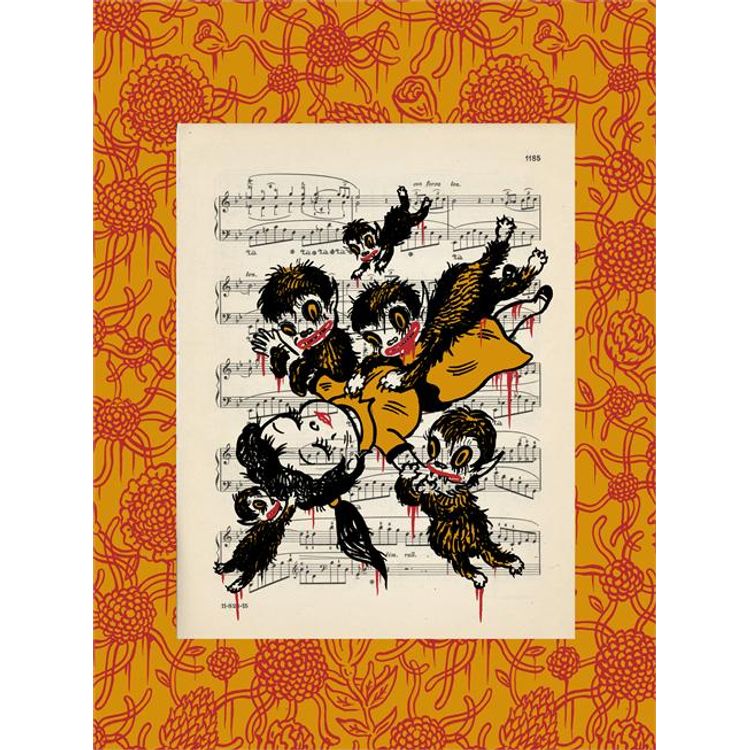
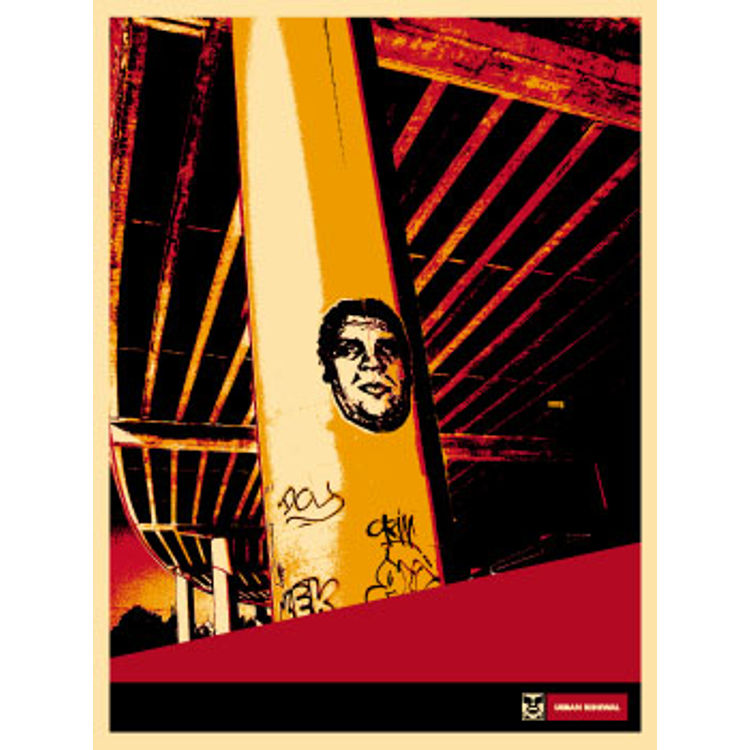
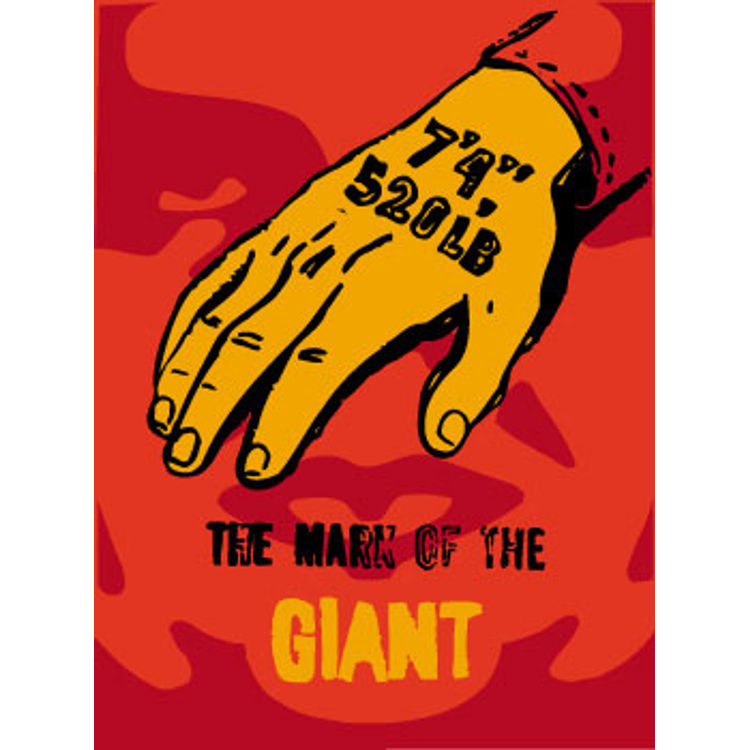
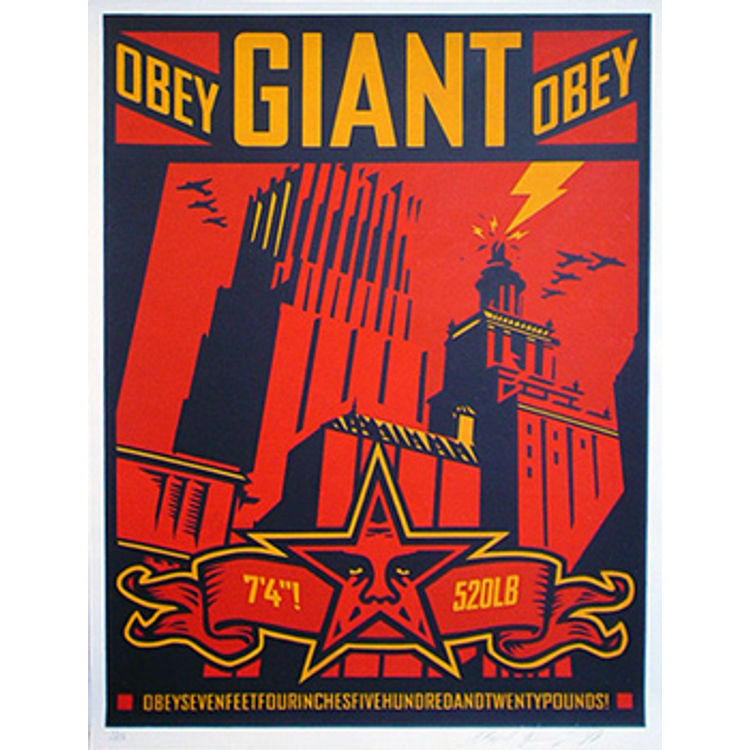
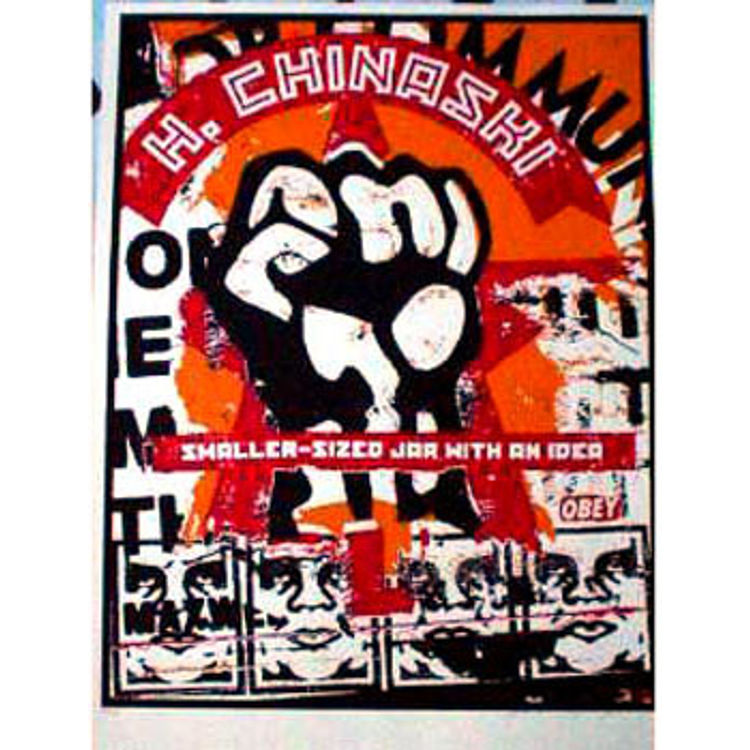
Frank Shepard Fairey (born February 15, 1970) is an American contemporary graphic designer, and illustrator who emerged from the skateboarding scene. He first became known for his "André the Giant Has a Posse" (…OBEY…) sticker campaign, in which he appropriated images from the comedic supermarket tabloid Weekly World News. His work became more widely known in the 2008 U.S. presidential election, specifically his Barack Obama "Hope" poster. The Institute of Contemporary Art, Boston calls him one of today's best known and most influential street artists. His work is included in the collections at The Smithsonian, the Los Angeles County Museum of Art, the Museum of Modern Art in New York, the Museum of Contemporary Art San Diego, the National Portrait Gallery in Washington, and the Victoria and Albert Museum in London. Born in Los Angeles in 1960, this first generation Polish-American artist has become one of the most recognized illustrative artists of our age. Gary received a degree in Communications from UCLA, and worked in NYC as a commercial illustrator for 10 years. His illustrations have been featured in such diverse publications as the New Yorker, Time, Esquire, Rolling Stone, the New York Times, Forbes, Blab, LA Magazine, Reader's Digest, Atlantic Monthly and Newsweek. He created the artwork for Cranium, voted "Game of the Year" two years in a row by the American Internation Toy Fair and worked as the illustrator for "I Don't Need to Have Children, I Date Them: 23 Child Psychology Techniques to Use on Boys of All Ages". He has also been featured in American Illustration, AIGA, Print, The Society of Illustrators, Humor and The 100 Show. Although Gary has achieved reknown in many fields, he is probably most well known for his work as the creator and executive producer of "Teacher's Pet", a story based on his real-life dog, Hubcaps, which ran from 2000-2002, and was made into a full-length feature film in 2004. Gary has received many awards throughout his career, including the Emmy for Best Daytime Screen printing is a printing technique that uses a woven mesh to support an ink-blocking stencil. The attached stencil forms open areas of mesh that transfer ink or other printable materials which can be pressed through the mesh as a sharp-edged image onto a substrate. A roller or squeegee is moved across the screen stencil, forcing or pumping ink past the threads of the woven mesh in the open areas. Screen printing is also a stencil method of print making in which a design is imposed on a screen of silk or other fine mesh, with blank areas coated with an impermeable substance, and ink is forced through the mesh onto the printing surface. It is also known as silkscreen, seriography, and serigraph.
Production Details
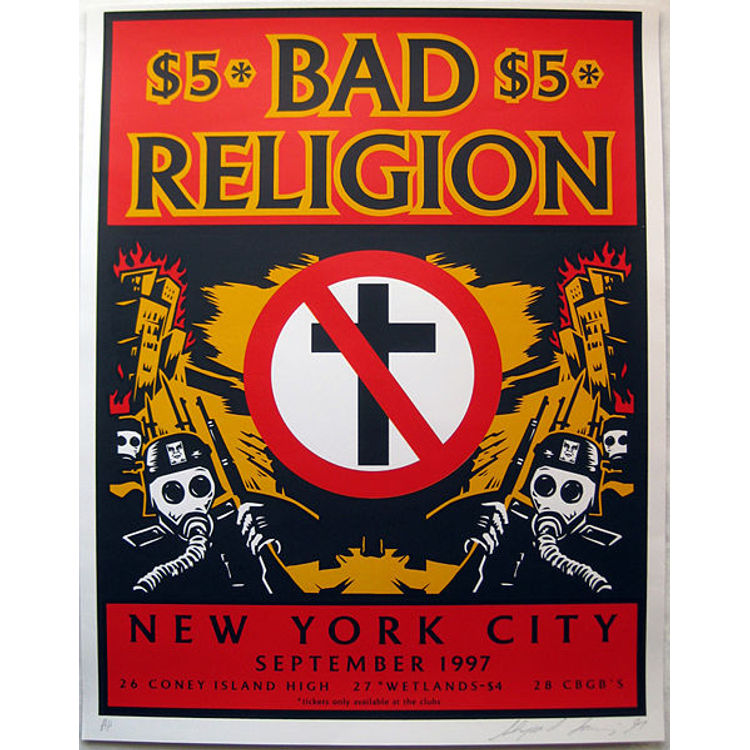
- Released date May 2, 2013
- Retail Price $70.00
- Height 24.00"
- Width 18.00"
- Edition 400
- Numbered Yes