ART PRINT
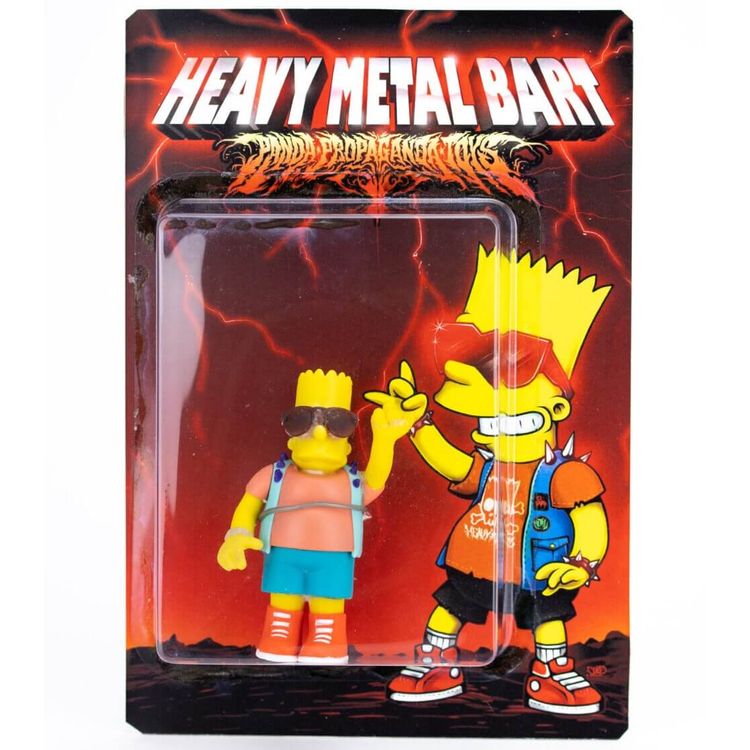
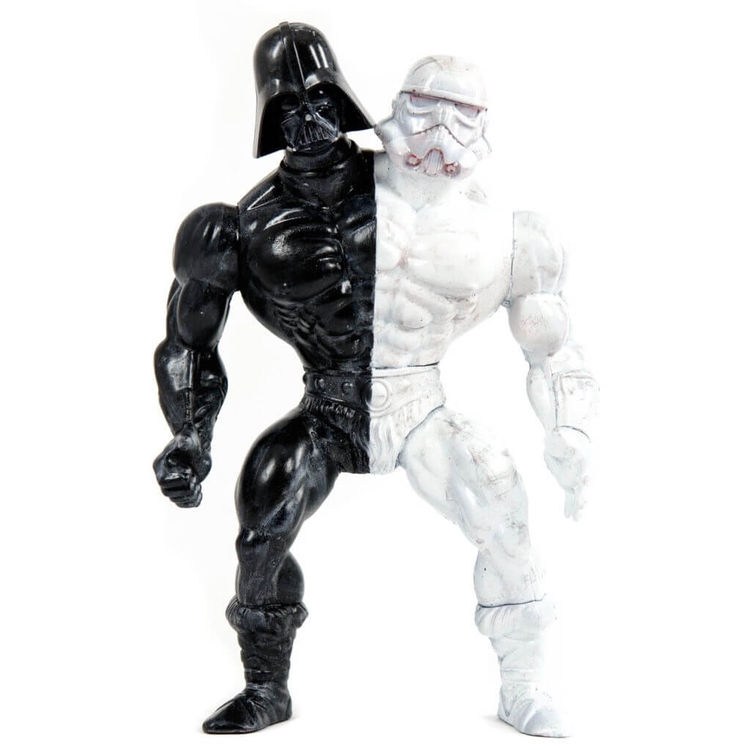
Heavy Metal Bart art print


Item Details
Artist
Medium
Venue
Event
About this Venue
Clutter Gallery is a leading contemporary art gallery specializing in the vibrant world of designer toys and lowbrow art. Located in the artistic community of Beacon, New York (home to the world famous Dia museum), Clutter Gallery has established itself as a premier destination for collectors and enthusiasts alike. Since its inception in 2011, the gallery has been dedicated to showcasing the work of both established and emerging artists who push the boundaries of pop culture, street and low-brow art. In addition to its dynamic exhibitions, Clutter Gallery also houses an impressive permanent collection of Designer Toys, curated by the team behind its renowned print publication. This collection serves as a testament to the gallery’s deep-rooted connection to the designer toy movement and its commitment to preserving and celebrating this unique art form. Clutter Gallery is excited to present the 9th installment of the acclaimed annual [In]Action figure exhibition! Screen printing is a printing technique that uses a woven mesh to support an ink-blocking stencil. The attached stencil forms open areas of mesh that transfer ink or other printable materials which can be pressed through the mesh as a sharp-edged image onto a substrate. A roller or squeegee is moved across the screen stencil, forcing or pumping ink past the threads of the woven mesh in the open areas. Screen printing is also a stencil method of print making in which a design is imposed on a screen of silk or other fine mesh, with blank areas coated with an impermeable substance, and ink is forced through the mesh onto the printing surface. It is also known as silkscreen, seriography, and serigraph. Giclée (pronounced "zhee-clay") is a neologism for the process of making fine art prints from a digital source using ink-jet printing. The word "giclée" is derived from the French language word "le gicleur" meaning "nozzle", or more specifically "gicler" meaning "to squirt, spurt, or spray". It was coined in 1991 by Jack Duganne, a printmaker working in the field, to represent any inkjet-based digital print used as fine art. The intent of that name was to distinguish commonly known industrial "Iris proofs" from the type of fine art prints artists were producing on those same types of printers. The name was originally applied to fine art prints created on Iris printers in a process invented in the early 1990s but has since come to mean any high quality ink-jet print and is often used in galleries and print shops to denote such prints.
Production Details
- Released date n/a
- Retail Price $35.00
- Height 10.00"
- Width 14.00"
- Edition n/a
- Numbered No