ART PRINT
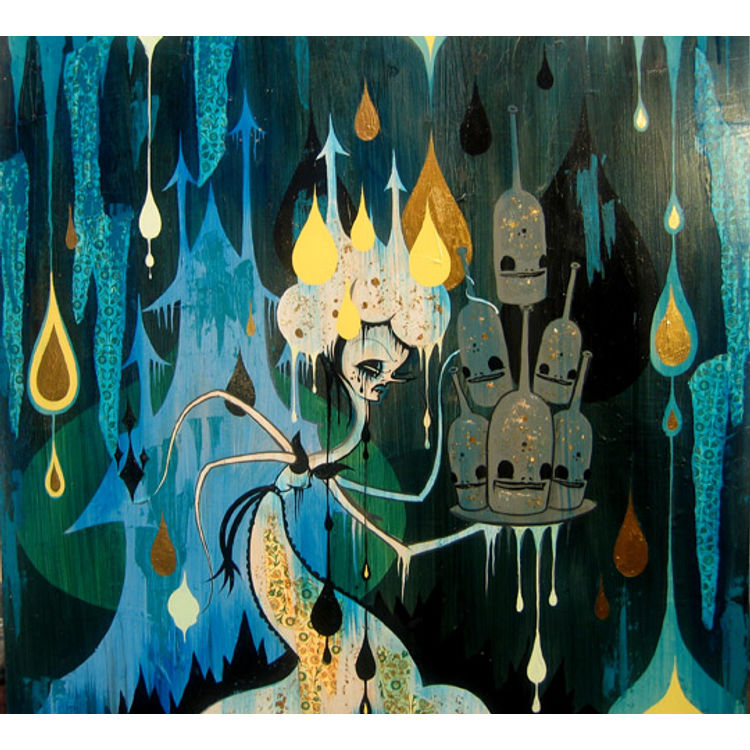
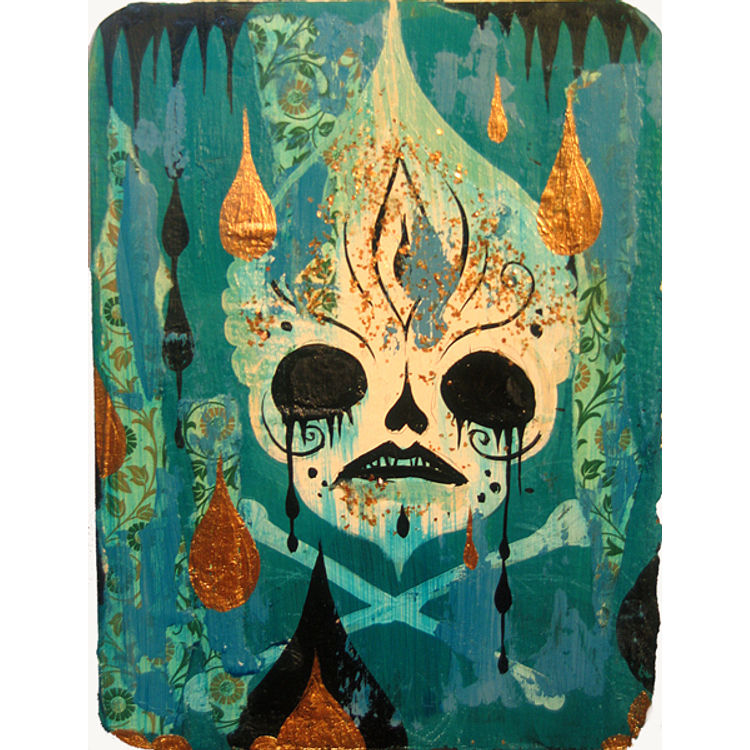
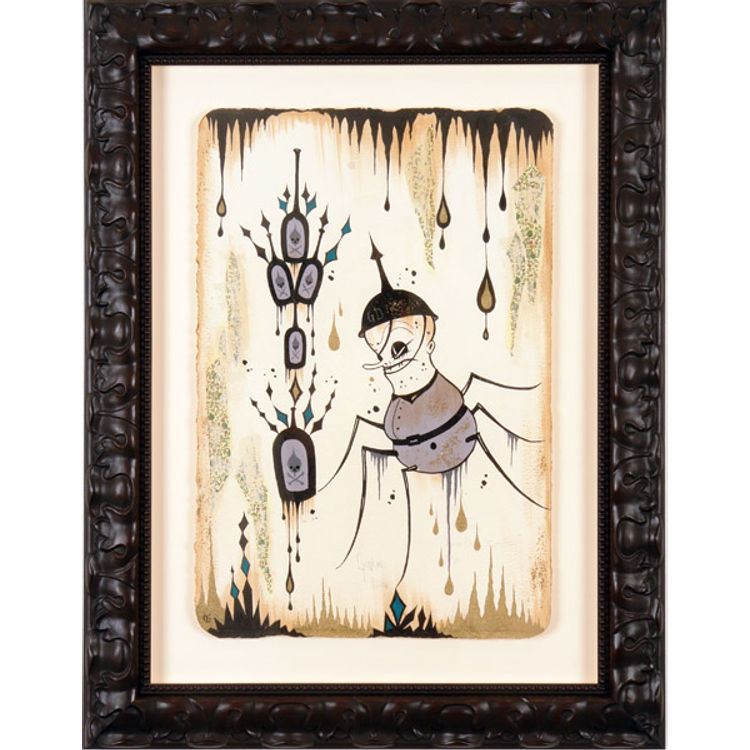
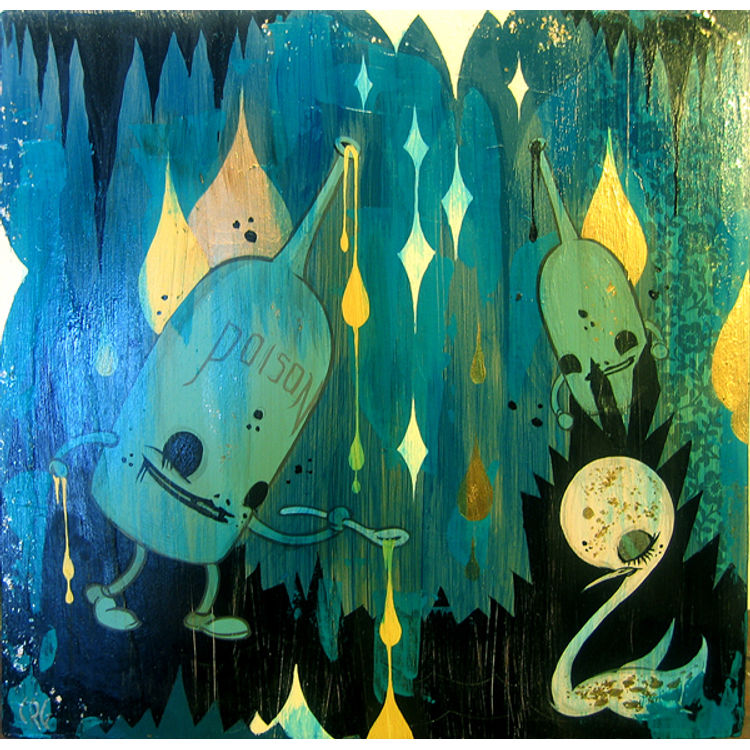
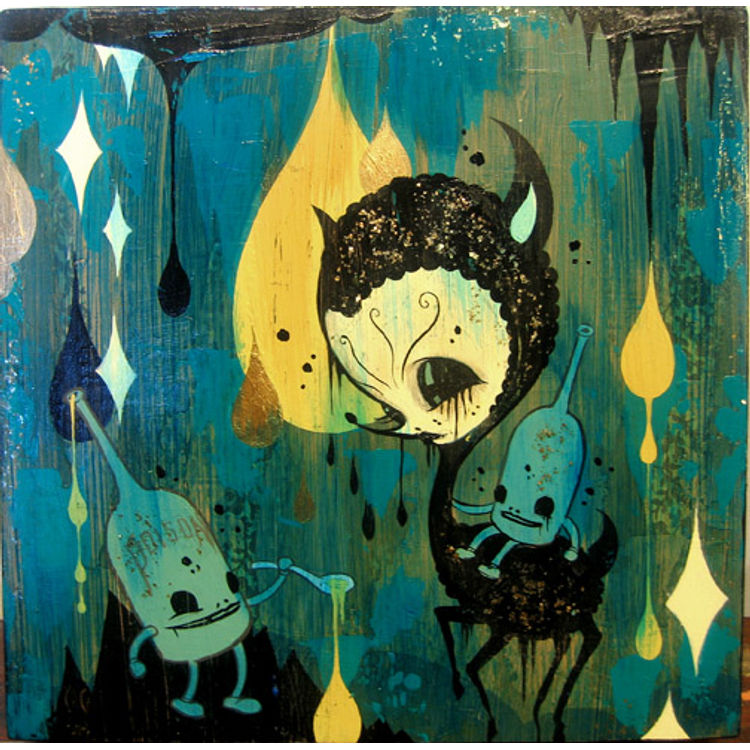
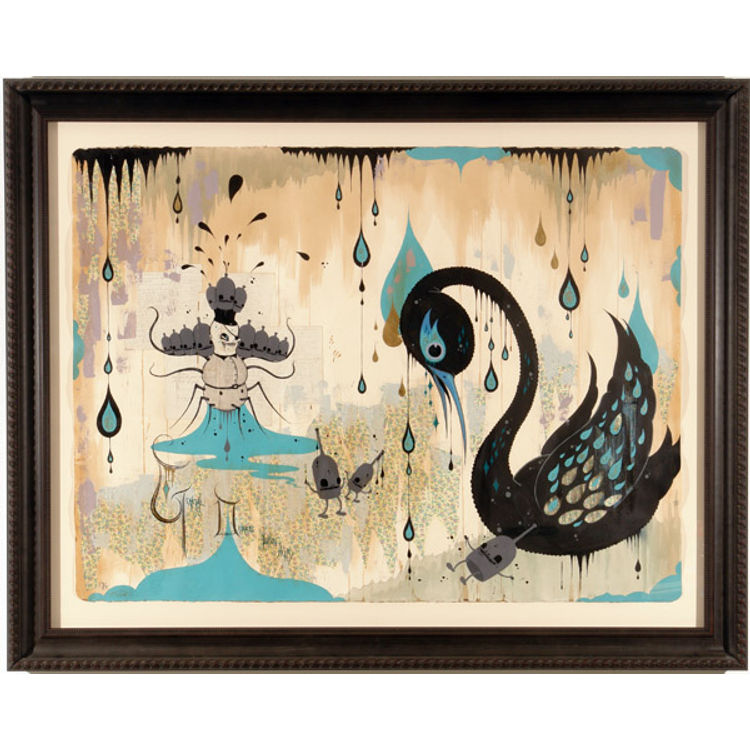
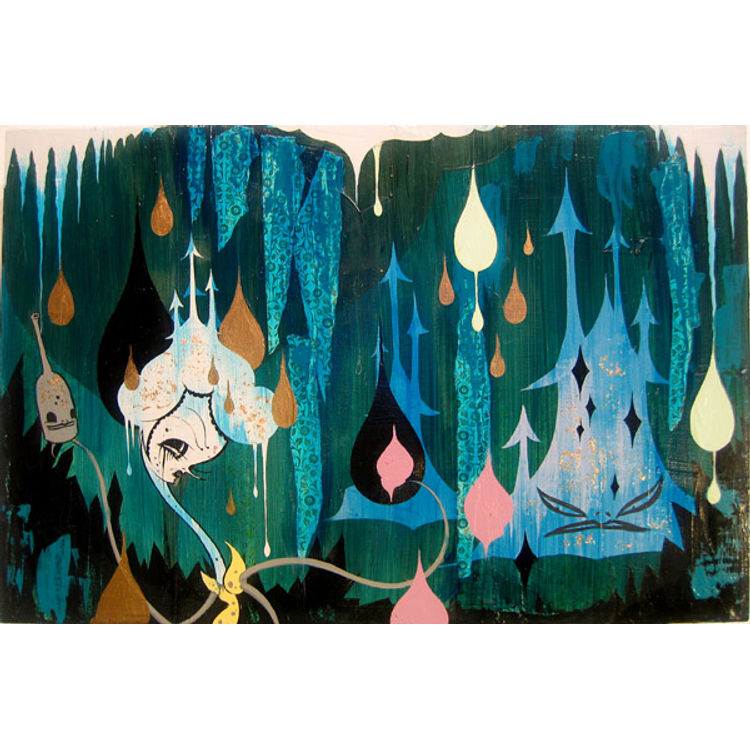
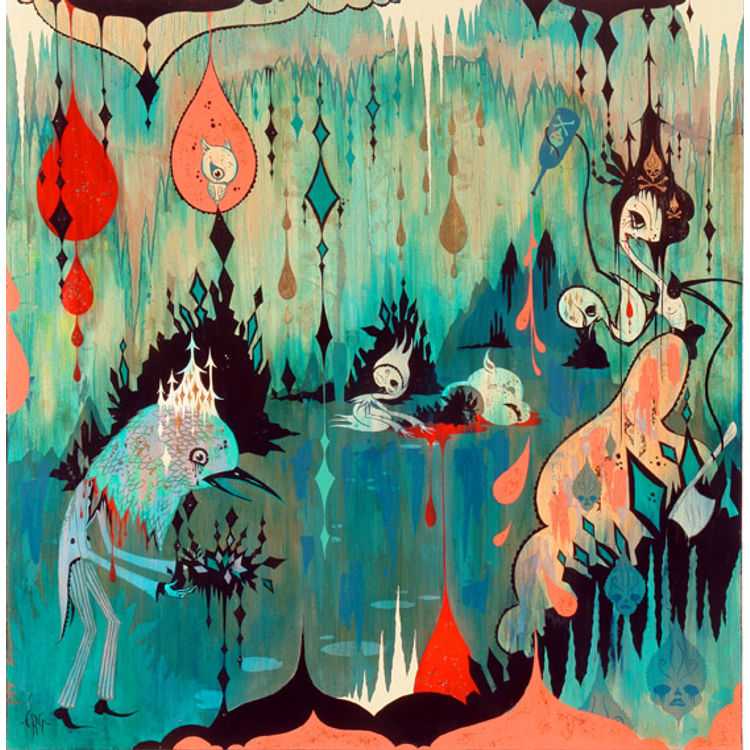
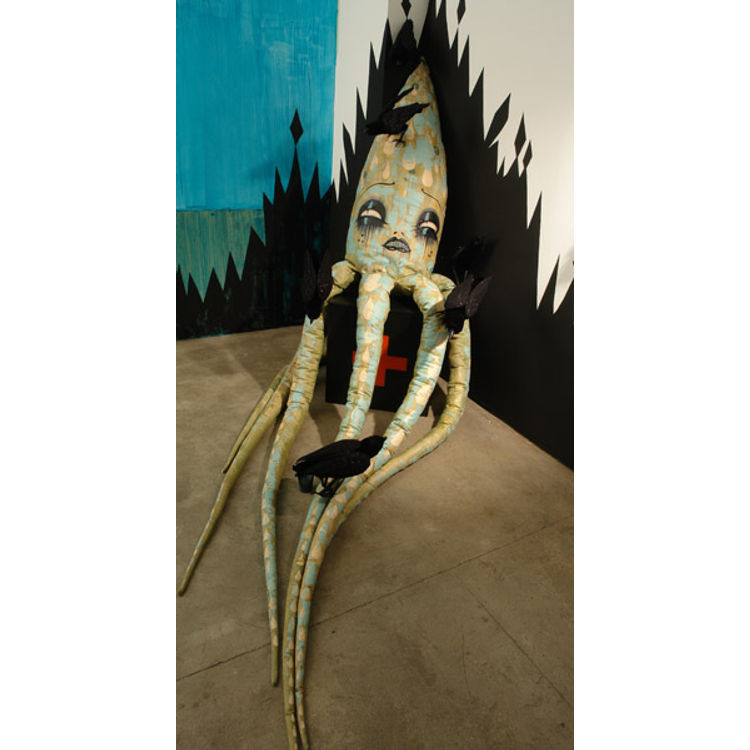
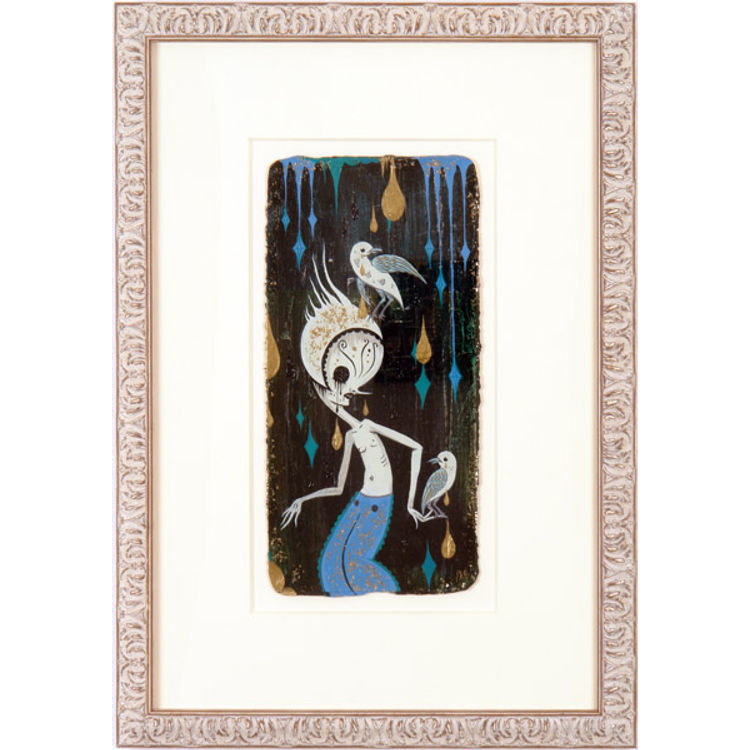
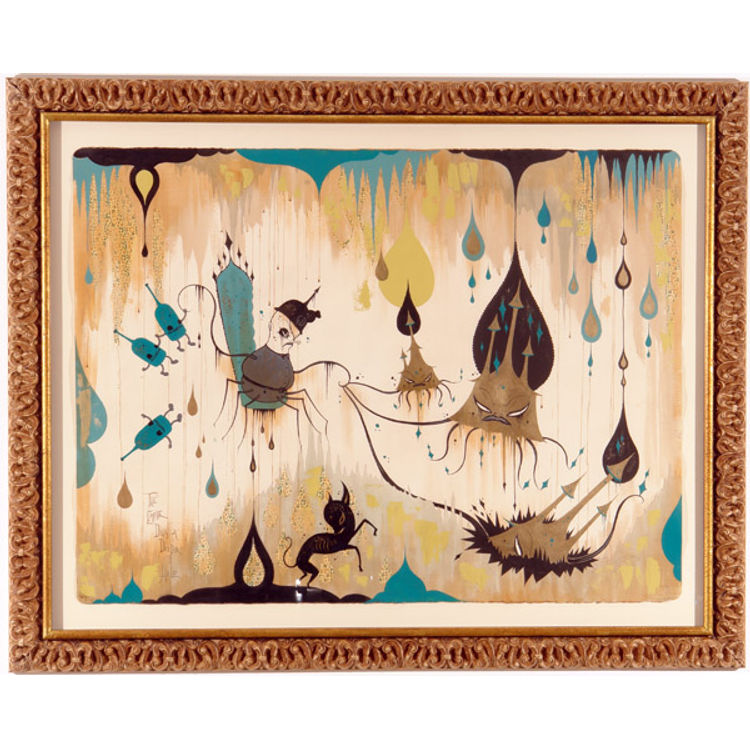
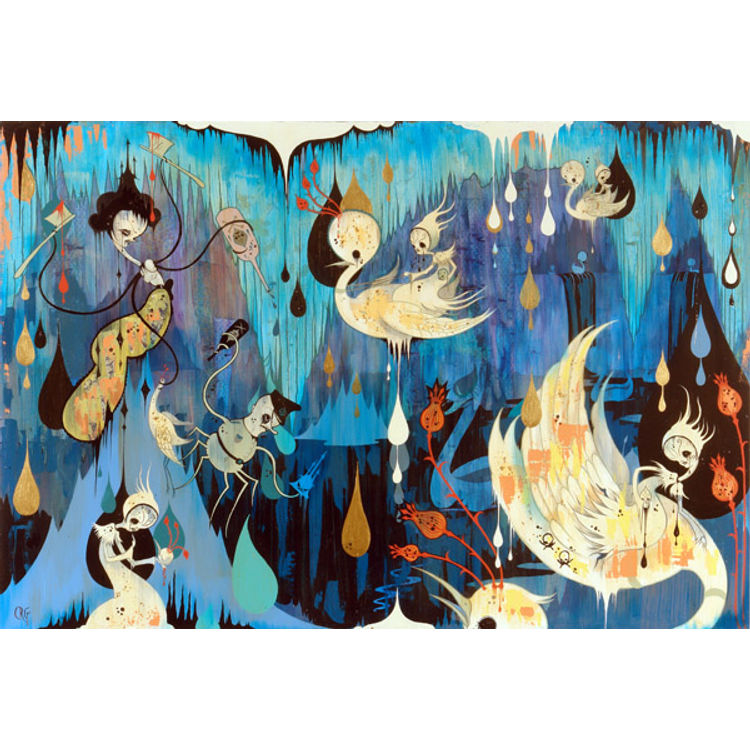
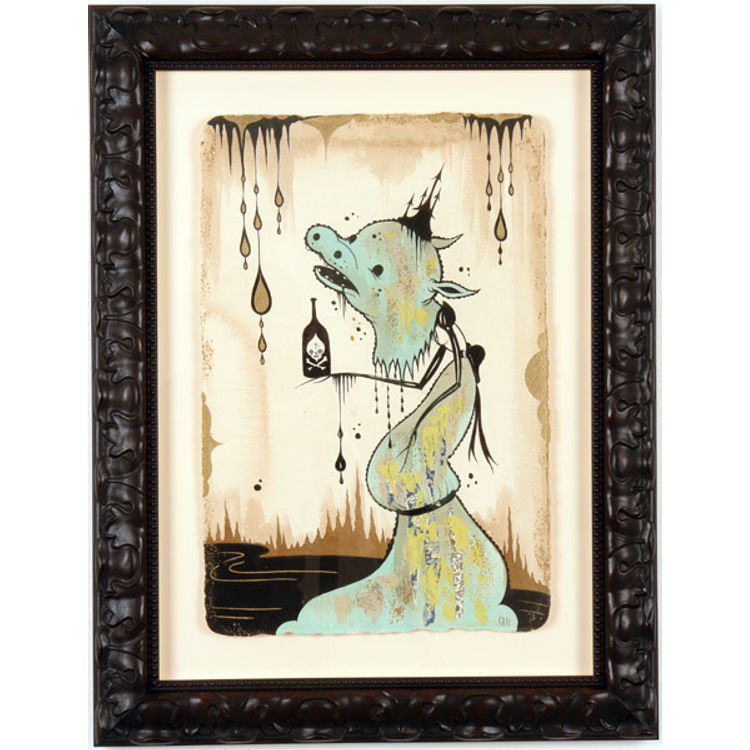
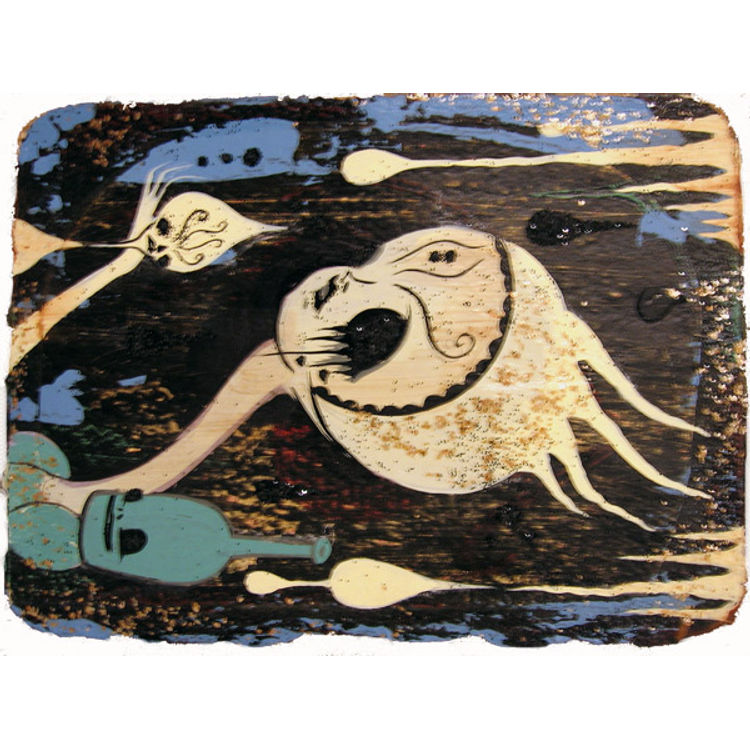
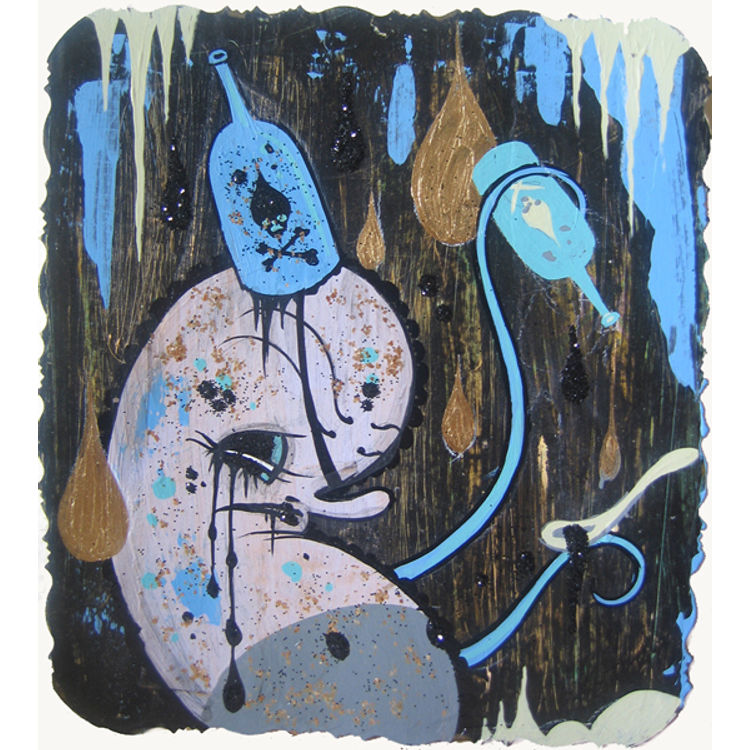
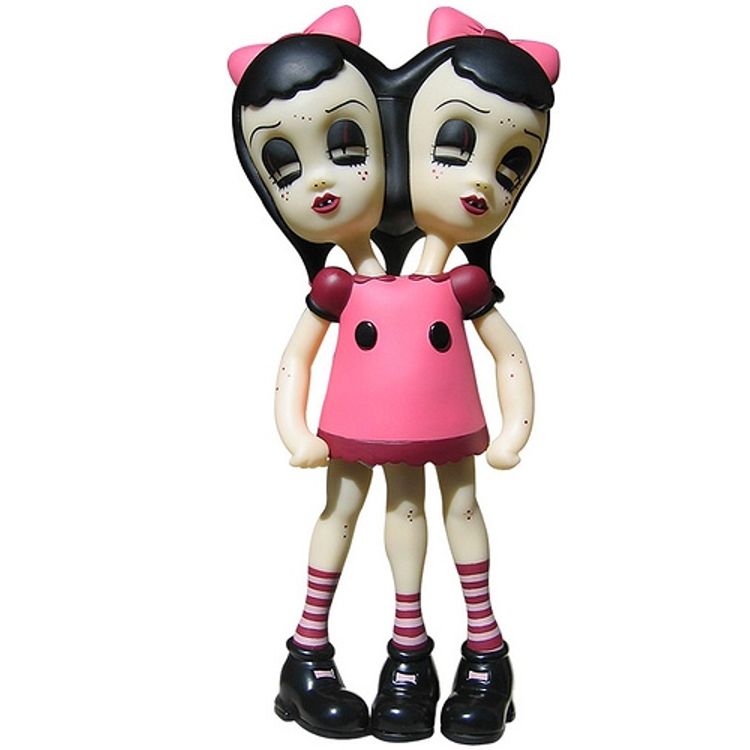
Subterranean Orphans - (Set)


Item Details
Artist
Medium
Venue
Event
About this Venue
Jonathan Levine Projects is committed to new and cutting edge art. Our roots go back to 1995 when LeVine's life-long participation in punk and underground music grew into a curatorial experiment with the visual culture that surrounded him. In 2005, he opened Jonathan LeVine Gallery in the Chelsea district of New York City and had great success nurturing the careers of many celebrated artists. In 2017, the gallery relocated to Jersey City with a newfound focus on community and collaboration. The newly named Jonathan LeVine Projects aims to create engaging programs and interesting partnerships beyond the traditional gallery space. With an eye towards honoring and connecting with the history and context of Post War art, Jonathan LeVine Projects explores the terrain of the high/low and everything in between. Camille Rose Garcia was born in 1970 in Los Angeles, California, The child of a Mexican activist filmmaker father and a muralist/painter mother, she apprenticed at age 14 working on murals with her mother while growing up in the generic suburbs of Orange County, visiting Disneyland and going to punk shows with the other disenchanted youth of that era. Garcia’s layered, broken narrative paintings of wasteland fairy tales are influenced by William Burroughs’ cut-up writings and surrealist film, as well as vintage Disney and Fleischer cartoons, acting as critical commentaries on the failures of capitalist utopias, blending nostalgic pop culture references with a satirical slant on modern society. Her work has been displayed internationally and featured in numerous magazines including Juxtapoz, Rolling Stone, and Modern Painter, and is included in the collections of the Los Angeles County Museum as well as the San Jose Museum of Art, which held a retrospective of her work, Tragic Kingdom,in 2007. Giclée (pronounced "zhee-clay") is a neologism for the process of making fine art prints from a digital source using ink-jet printing. The word "giclée" is derived from the French language word "le gicleur" meaning "nozzle", or more specifically "gicler" meaning "to squirt, spurt, or spray". It was coined in 1991 by Jack Duganne, a printmaker working in the field, to represent any inkjet-based digital print used as fine art. The intent of that name was to distinguish commonly known industrial "Iris proofs" from the type of fine art prints artists were producing on those same types of printers. The name was originally applied to fine art prints created on Iris printers in a process invented in the early 1990s but has since come to mean any high quality ink-jet print and is often used in galleries and print shops to denote such prints.
Production Details
- Released date Apr 1, 2006
- Retail Price n/a
- Height n/a
- Width n/a
- Edition 100
- Numbered Yes