ART PRINT
Two-Face


Item Details
Artist
Medium
Venue
Event
About this Artist
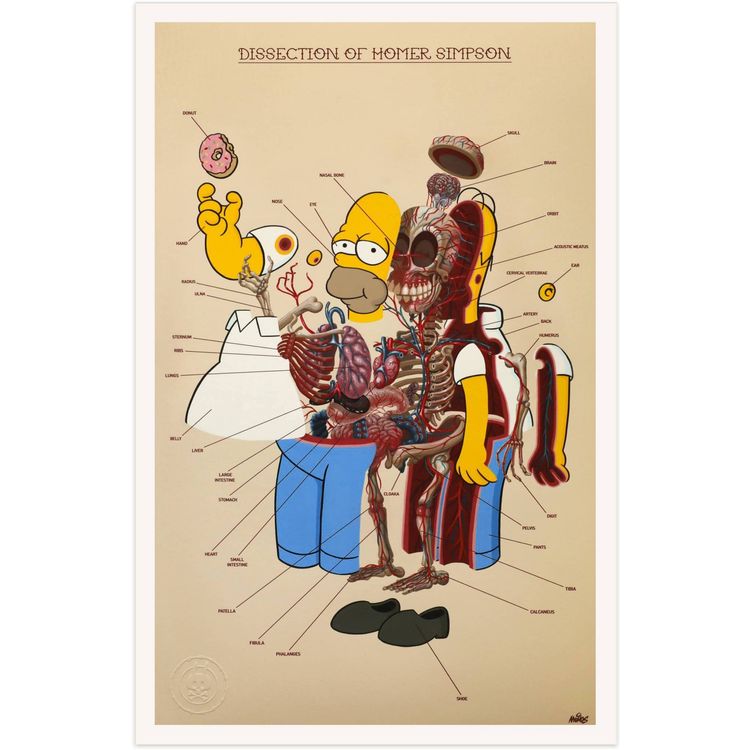
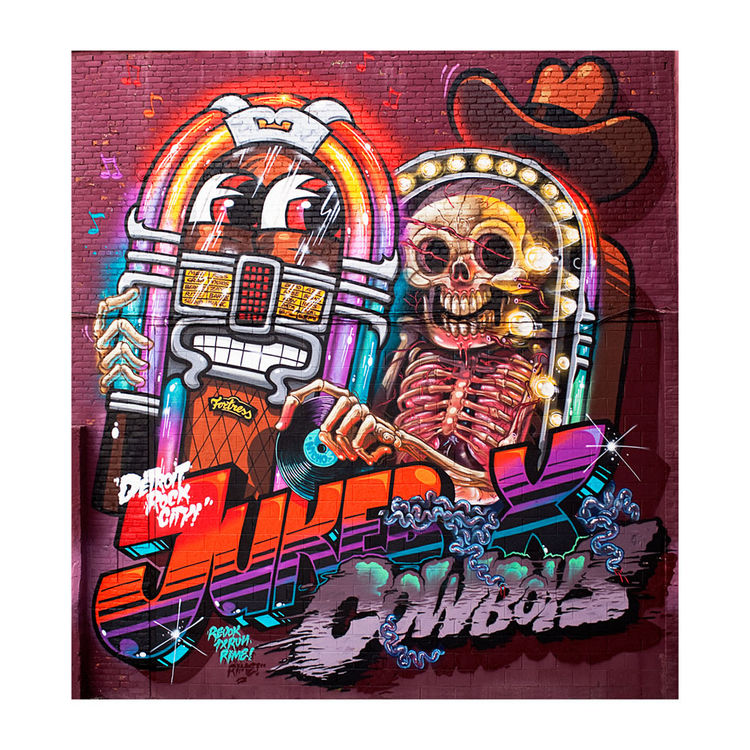
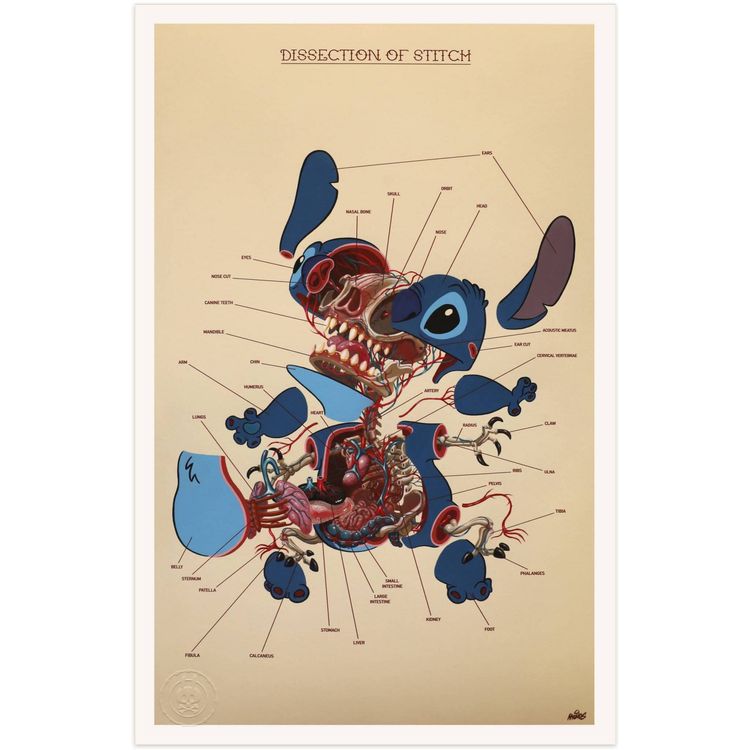
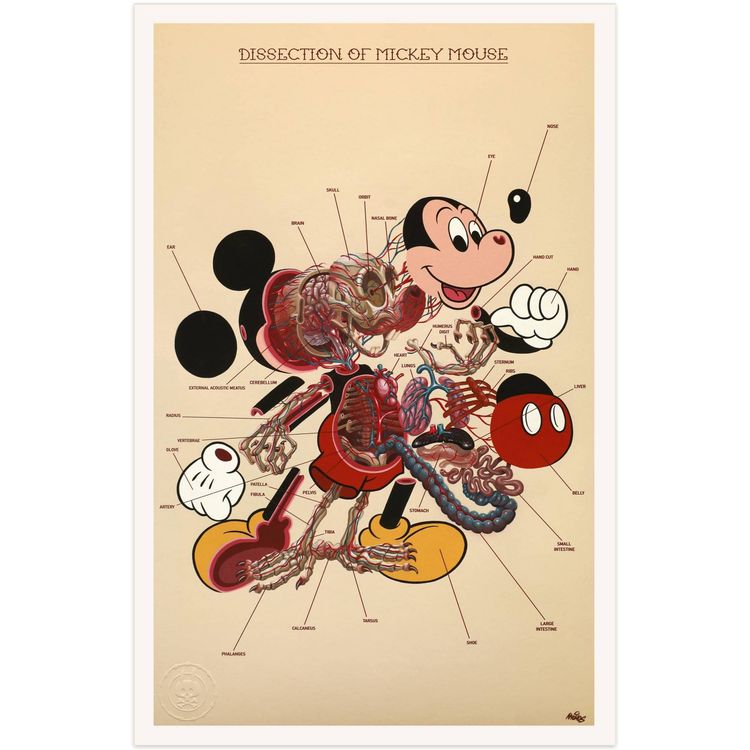
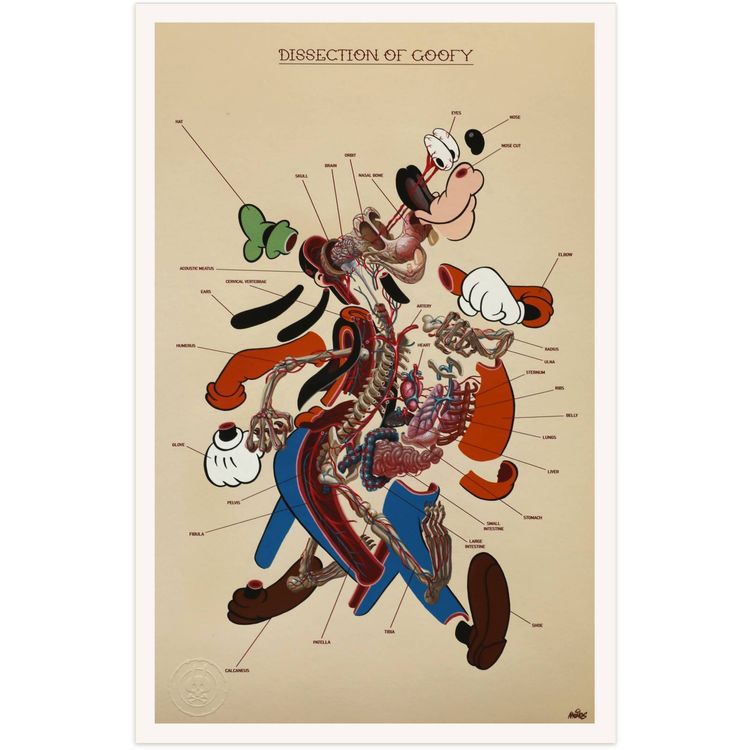
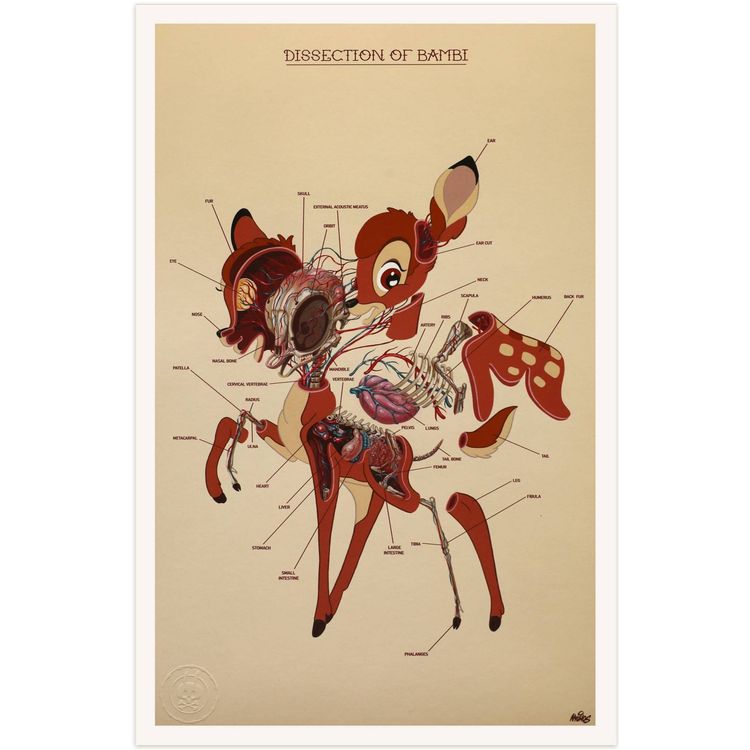
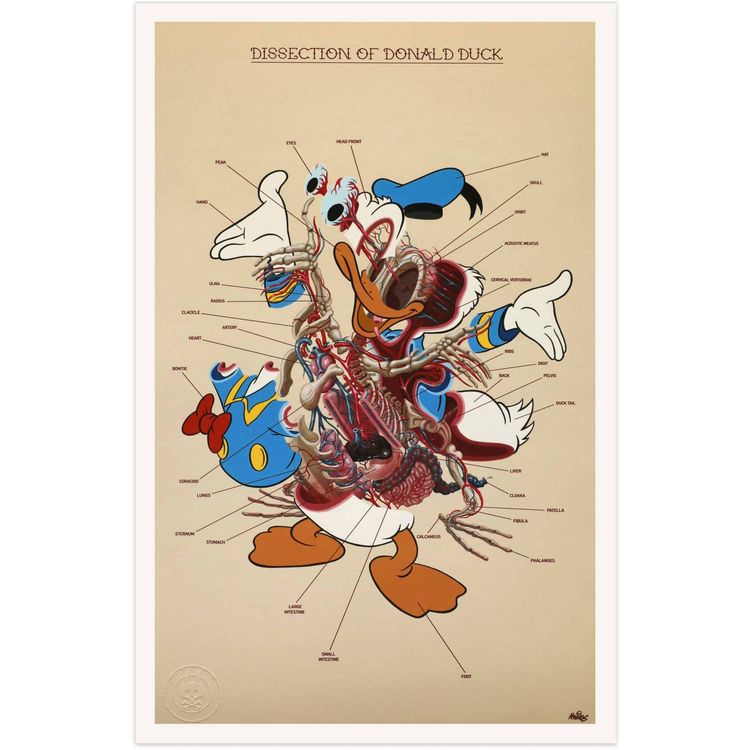
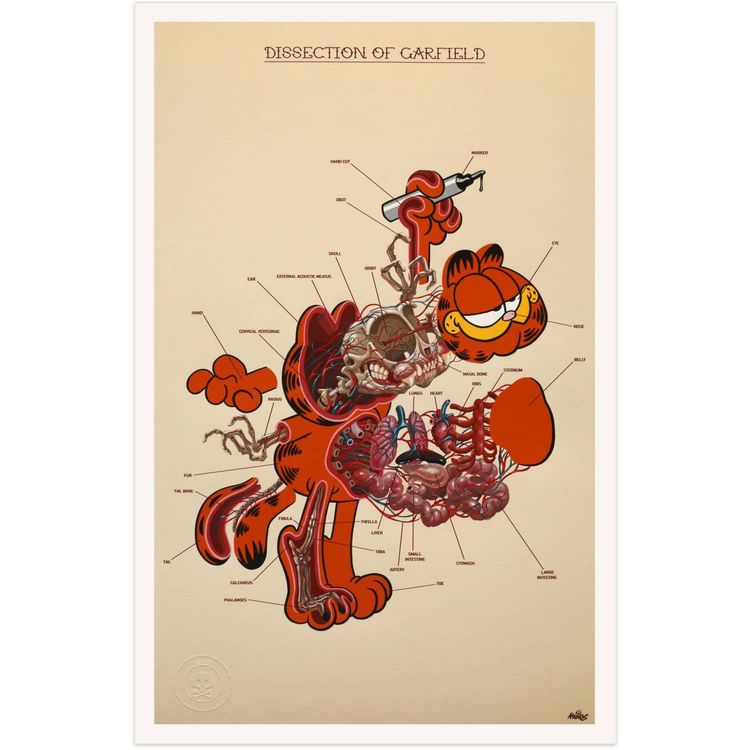
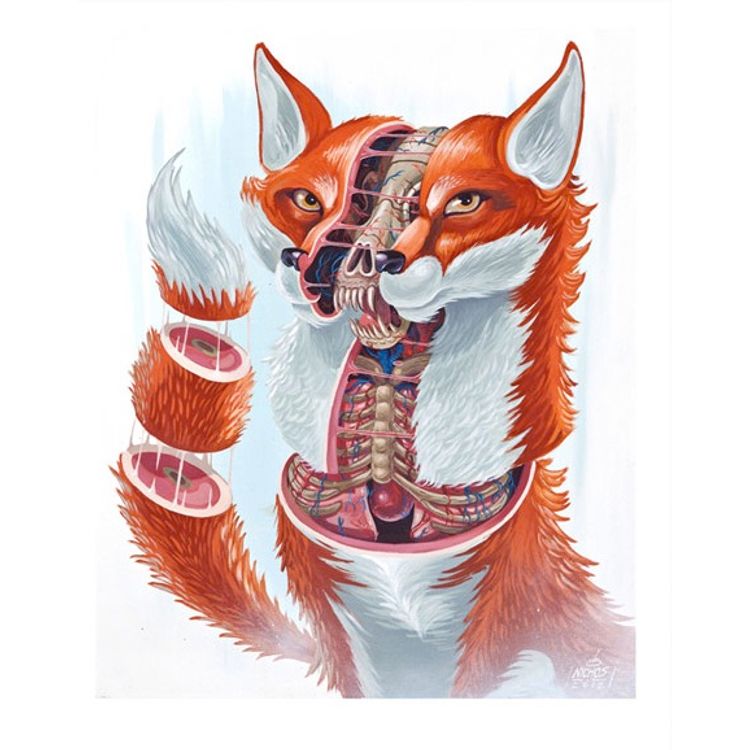
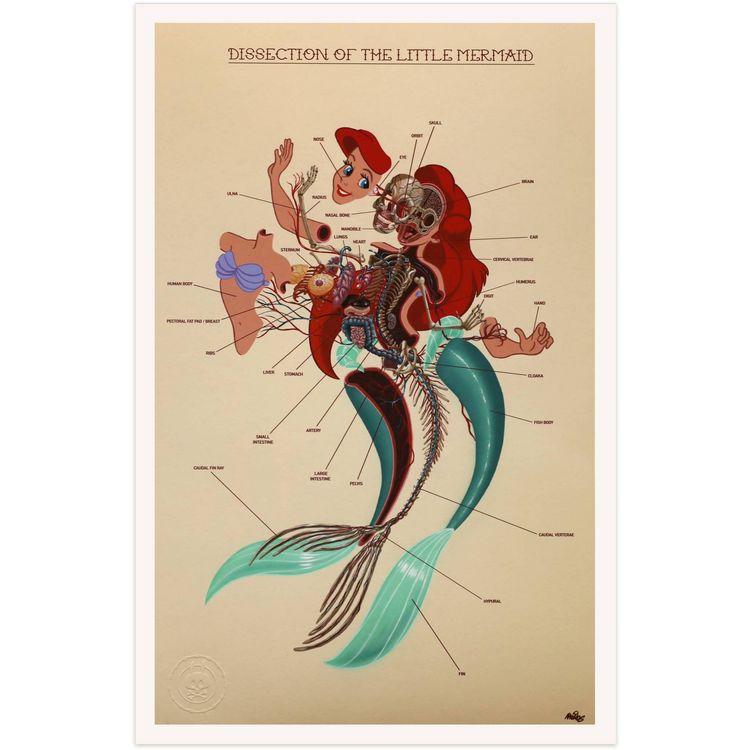
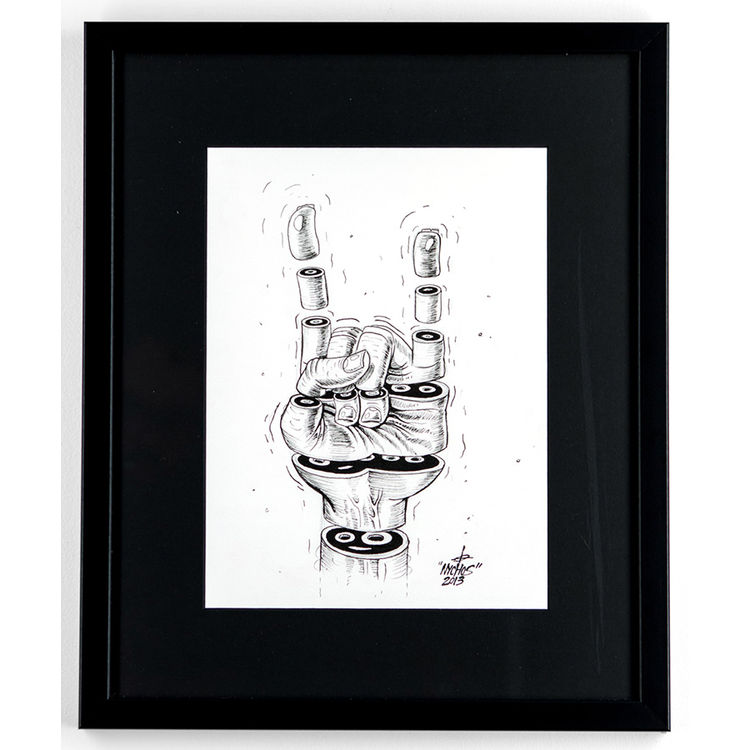
Lives and works in Vienna, Austria. He is Illustrator, Street- and Graffitiartist and mainly known for his prolific street art concept, the RABBIT EYE MOVEMENT. „One story I want to tell to the audience. This one is all about “holy media” and how it brainfucks us. You see a lot of old stuff which I recycle because it’s been part of my youth. Stuff what I liked, cartoons I loved like the teenage mutant ninja turtles or skate symbols like the screaming hand. Many of our generation have a connection to those things because we know it and mostly because we’ve been watching TV all our childhood. At least that happened to me, hahaha. But I think we all would be painting like we paint without the media influence Pop art would not be existent and that’s our roots. I call our generation the NINTENDO GENERATION and you will see, it’s already happening.“ Compiling his anatomic knowledge with sliced cross sections, x-ray peek-ins and detailed dissections “I’d Like To Meat You!” will be a colorful exploration of new works on paper, canvas and wood highlighting Nychos’ skilled range across graffiti, illustration and street art. In 2012 Nychos made his first visit to Detroit and collaborated with Flying Fortress on a large mural titled “Jukebox Cowboys” in Eastern Market where a dissected Jukebox adorns the side of a building on Orleans Street. It was an experience that stuck with Nychos, as one year later he has returned to Detroit to create his latest body of work influenced by the historic meatpacking and produce hub. Giclée (pronounced "zhee-clay") is a neologism for the process of making fine art prints from a digital source using ink-jet printing. The word "giclée" is derived from the French language word "le gicleur" meaning "nozzle", or more specifically "gicler" meaning "to squirt, spurt, or spray". It was coined in 1991 by Jack Duganne, a printmaker working in the field, to represent any inkjet-based digital print used as fine art. The intent of that name was to distinguish commonly known industrial "Iris proofs" from the type of fine art prints artists were producing on those same types of printers. The name was originally applied to fine art prints created on Iris printers in a process invented in the early 1990s but has since come to mean any high quality ink-jet print and is often used in galleries and print shops to denote such prints.
Production Details
- Released date n/a
- Retail Price n/a
- Height 16.00"
- Width 16.00"
- Edition 100
- Numbered Yes